

Mitsubishi Dashboard Lights
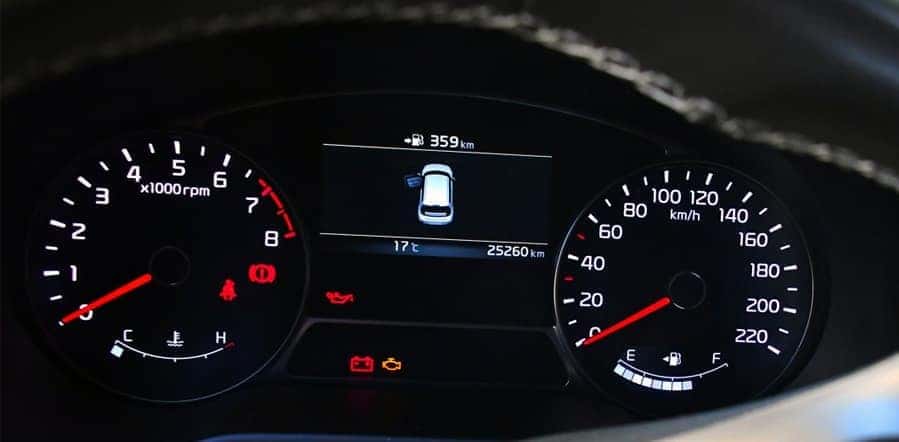
If something goes wrong with your vehicle, a dashboard light can alert you to the problem. However, these lights vary between vehicle makes and models. Our team at Firkins Mitsubish has put together this guide to help you understand your Mitsubishi dashboard’s symbols and their meaning.
Dashboard Lights and Their Importance
Your Mitsubishi uses its dashboard lights to communicate, telling you when you need to do something. This could be something simple, such as shutting a door properly, or it could be a more complex issue that needs a mechanic. Dashboard lights encourage you to deal with issues promptly, preventing them from escalating into major concerns.
Understanding the Color Codes
Mitsubishi dashboard lights are color coded, allowing you to identify the severity of the problem. You’ll see dashboard lights in the following colors:
- Red: Used for emergency issues requiring urgent attention
- Yellow: Used for serious but less urgent issues
- Green: Used when certain features, such as the turn signals or ECO mode, are active and operating normally
- Blue: Used when certain features, such as the high beam lights and engine temperature indicator, are active and working normally
- White and gray: Used for serious but nonurgent issues
Essential Mitsubishi Warning Lights for Safety and Maintenance
To maintain your vehicle and ensure it runs safely, pay attention to the following dashboard lights:
- Headlight warning light: This is a headlight icon, and it lights up yellow when your headlights aren’t working.
- Seat belt light: This is an icon showing someone wearing their seat belt, and it lights up red when you or one of your passengers forgets to buckle up.
- Door ajar light: This is an icon showing a vehicle with its doors open, and it lights up red when a door isn’t shut correctly.
- Brake system light: This icon is an exclamation mark inside a circle with curved lines on either side, and it lights up red when your brakes aren’t functioning correctly.
Indicator Lights for Vehicle Functionality
To keep your vehicle functioning reliably, you should take action when you see the following dashboard lights:
- Low fuel light: This is a gas pump icon that lights up yellow when your gas tank is almost empty.
- Electric power steering light: This is an icon of a steering wheel and an exclamation point that lights up red when your electric power steering system isn’t functioning correctly.
- Tire pressure light: This icon is an exclamation point inside a horseshoe shape that lights up yellow when your tire pressure is low.
- Check engine light: This is an engine icon that lights up yellow when your engine isn’t functioning correctly.
Informative and Status Indicator Lights
The following dashboard lights give you information about your vehicle’s status:
- Turn signal light: When you activate your turn signals, a left- or right-facing green arrow flashes.
- Engine temperature light: When the engine is a normal temperature, this icon of a thermometer placed in water is blue, and if the engine is overheating, the icon is red.
- High beam light: When using manual high beams, this headlight icon lights up blue, and when using an automatic system, the light is green.
- Service reminder indicator light: When your car is approaching its recommended service interval, a wrench icon lights up gray.
Troubleshooting Common Issues With Dashboard Lights
Dashboard lights can come on for several reasons. To avoid a trip to the mechanic, assess your vehicle for any obvious problems and experiment with basic solutions. For example, the engine warning light may come on if you forget to replace your gas cap or if you have worn spark plugs. However, this light may also mean you need a new oxygen tank, catalytic converter, or mass airflow sensor. Replacing these parts are complex jobs, so if the simple fixes don’t work, you should book a service.
Frequently Asked Questions About Mitsubishi Dashboard Lights
Here are some of the questions motorists often ask about their Mitsubishi dashboard warning lights.
What does the yellow triangle warning light mean?
The yellow triangle warning light draws your attention to the dashboard. It will appear alongside another dashboard light that explains the specific issue.
How Do I Reset My Tire Pressure Monitoring System Light?
The tire pressure monitoring system (TPMS) light should automatically reset once you pump up your tires to the correct pressure and drive at least 25 mph for around 10 minutes. For a manual reset, switch the ignition on without starting your vehicle and hold the TPMS reset button for around five seconds until you see the TPMS dashboard light flash or hear a beep. Depending on your vehicle’s model, this button is usually on the dashboard or under the steering column. You can then turn the ignition switch off and start the engine to verify the reset is complete.
Can I Drive My Car if the Check Engine Light Is On?
Once the check engine light comes on, you shouldn’t drive your car any longer than necessary. If your vehicle seems to be okay and you’re close to a service center, you can drive it there. However, if your car’s performance is seriously impacted, or if you’re far from a garage, the safest option is to tow your vehicle to a service center.
Are Your Dashboard Lights On?
If you’re concerned about your dashboard lights or any other signs that your Mitsubishi’s not quite right, book a service with Firkins Mitsubishi in Bradenton. Our expert technicians can diagnose the problem and get you safely back on the road. We know you’ll appreciate our friendly service and competitive prices, so call our service center during business hours at 941-260-0562 or schedule an appointment online via our website.
Contact Us
We would love to hear from you! Please fill out this form, and we will contact you shortly.